
EICR and Gas Safety Certificate: The Complete Landlord Compliance & Cost-Saving Guide
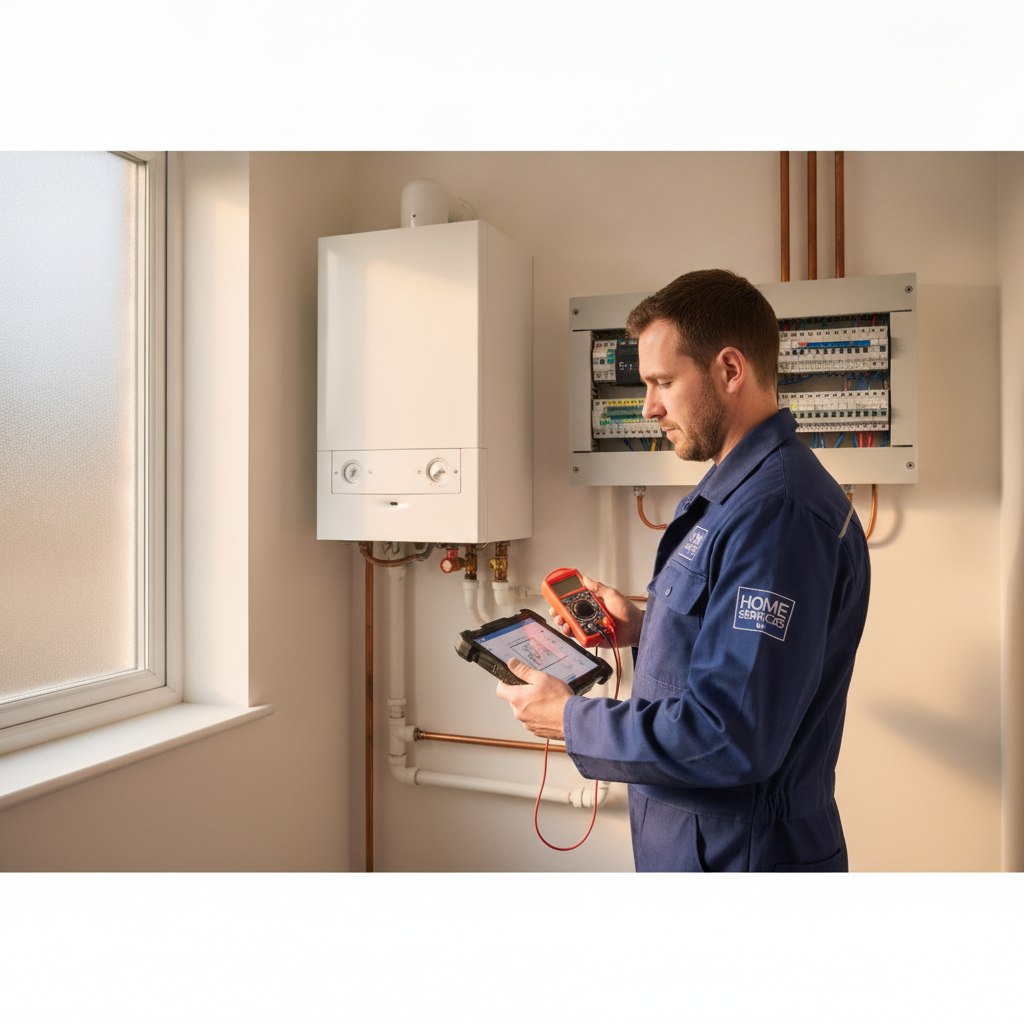
For landlords across Manchester and the wider UK, keeping rental properties legally compliant can feel like managing a maze of shifting deadlines and technical jargon. Two of the most critical safety documents every residential landlord must secure are the Electrical Installation Condition Report (EICR) and the Landlord Gas Safety Certificate (CP12).
While both are legal mandates designed to protect your tenants and your investment, scheduling them independently often leads to duplicated callout fees, scheduling headaches, and avoidable tenant disruption. In this guide, we break down everything you need to know about pairing your EICR and gas safety certificate inspections, ensuring your portfolio remains compliant and cost-effective.
Understanding the Dual Requirements: Gas vs. Electrical
British law treats gas and electrical safety with equal severity, but the enforcement timelines and scopes differ considerably. Here is how both inspections function:
1. Landlord Gas Safety Certificate (CP12)
Under the Gas Safety (Installation and Use) Regulations 1998, landlords are legally obligated to have all gas appliances, pipework, and flues checked every 12 months by a certified Gas Safe registered engineer. Following the inspection, you receive a CP12 certificate, a copy of which must be provided to existing tenants within 28 days or to incoming tenants before they move in.
2. Electrical Installation Condition Report (EICR)
Since June 2020 (and extended to all existing tenancies in April 2021), the Electrical Safety Standards in the Private Rented Sector (England) Regulations require landlords to have electrical installations inspected and tested by a qualified person at least once every 5 years. An EICR evaluates the fixed wiring, fuse board, sockets, and light fittings to identify fire hazards, shock risks, or overloaded circuits.
To learn more about what an electrical inspection covers or to book an assessment, visit our detailed guide on obtaining an EICR certificate.
Key Differences: Frequency and Validity
- Gas Safety Certificate: Mandatory annual renewal (valid for 12 months).
- EICR: Mandatory every 5 years (or at tenancy changeover if stipulated on the previous report).
- Accreditation: Gas checks must be executed by a Gas Safe engineer; electrical tests must be conducted by an accredited electrician (e.g., NICEIC or NAPIT registered).
- Penalties: Failing to provide a valid CP12 can result in unlimited fines, invalidated landlord insurance, and invalid Section 21 eviction notices. Non-compliance with EICR regulations carries local council fines of up to £30,000.
Why You Should Book an EICR and Gas Safety Certificate Together
Smart property managers and independent landlords increasingly synchronize their electrical and gas inspections. Here is why combining these services is the preferred route:
1. Significant Cost Savings
Booking separate visits often incurs individual callout rates. Combining gas boiler servicing or CP12 checks with an electrical safety test allows service providers to offer bundle discounts, saving you money across each property unit.
2. Reduced Tenant Friction
Coordinating access with working tenants can be notoriously difficult. Instead of organizing multiple appointments across different weeks, arranging a joint or synchronized visit minimizes intrusion and maintains good landlord-tenant relations.
3. Streamlined Compliance Management
Tracking varying certificate expiration dates across multiple properties can easily lead to inadvertent lapses. Aligning your 5-year electrical inspection with that year’s gas check establishes a simplified, unified compliance milestone.
What Engineers Look for During Combined Inspections
During a comprehensive property safety audit, engineers will check:
- Combustion & Flues: Verifying that boilers and fires burn fuel safely and vent harmful carbon monoxide outside.
- Safety Devices: Testing flame failure devices, smoke alarms, and carbon monoxide detectors.
- Consumer Units & Earthing: Ensuring RCD protection trips correctly and main bonding connects securely to gas and water supplies.
- Socket & Circuit Integrity: Testing load capacities and physical condition to eliminate fire hazards.
Keep Your Rental Properties Safe and Legal
Staying compliant does not have to be stressful. By proactively scheduling your EICR and gas safety certificate inspections together, you protect your tenants from preventable accidents, shield yourself from hefty municipal penalties, and lower your annual property management overhead.


